Artistic-curatorial research SHE/SAILS
THERE WAS ONE …
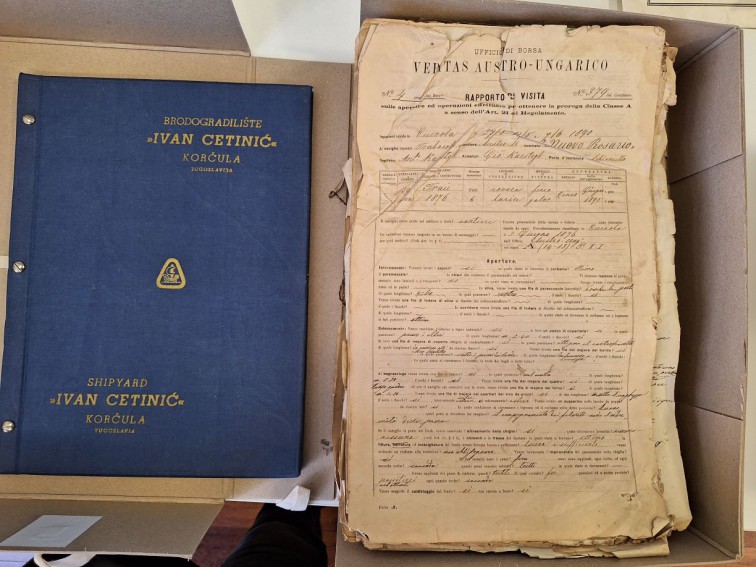
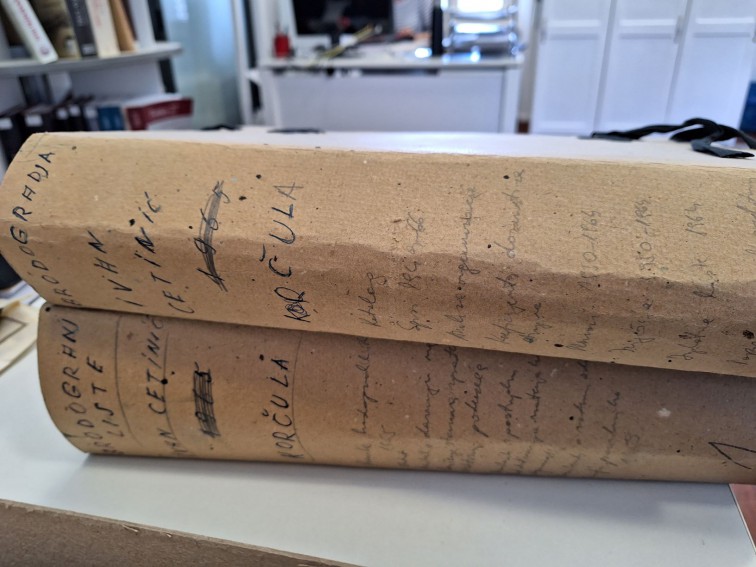
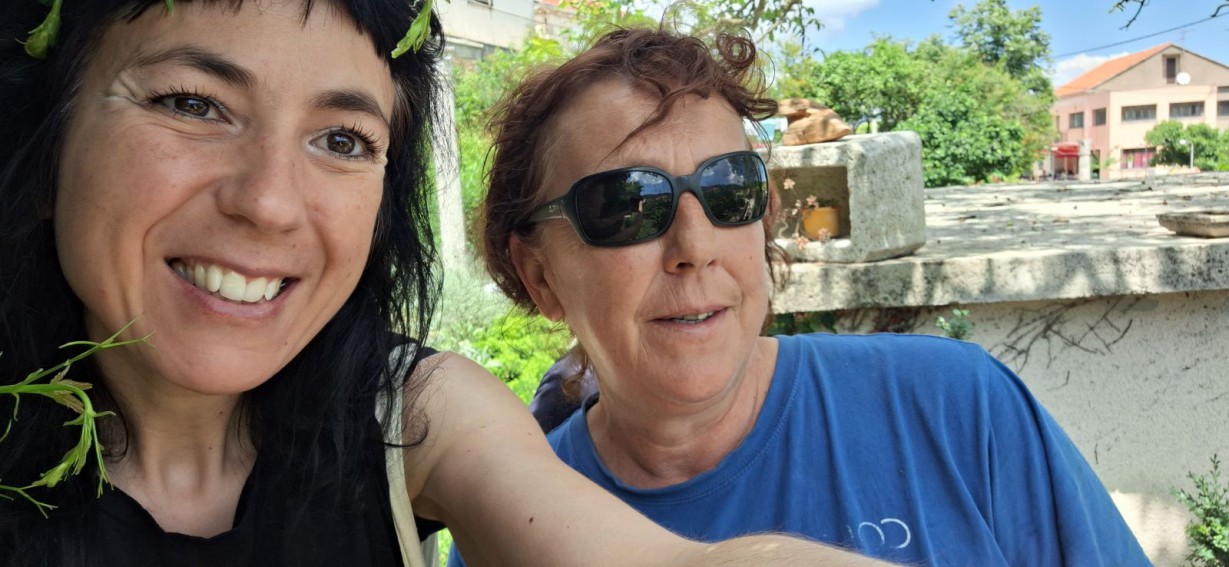
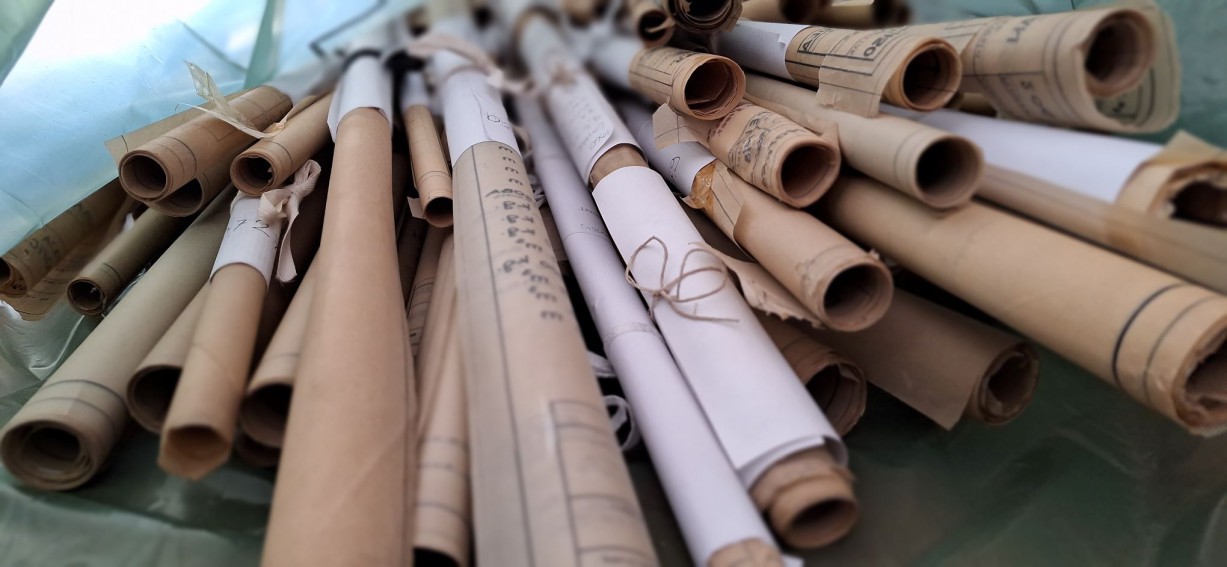
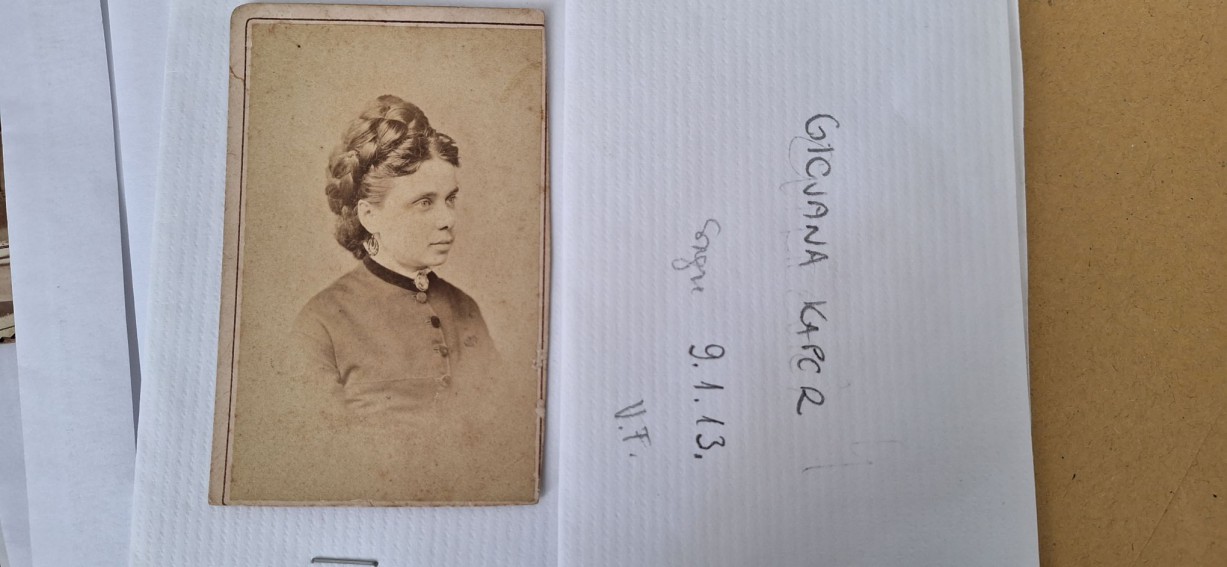
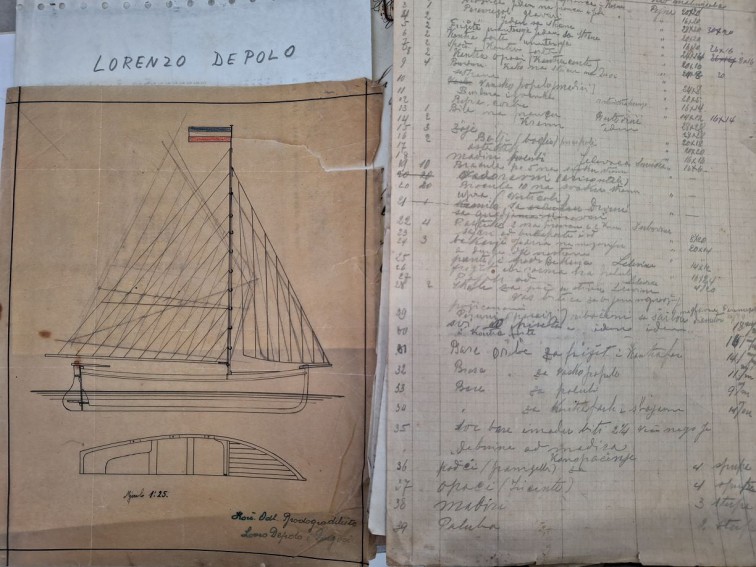
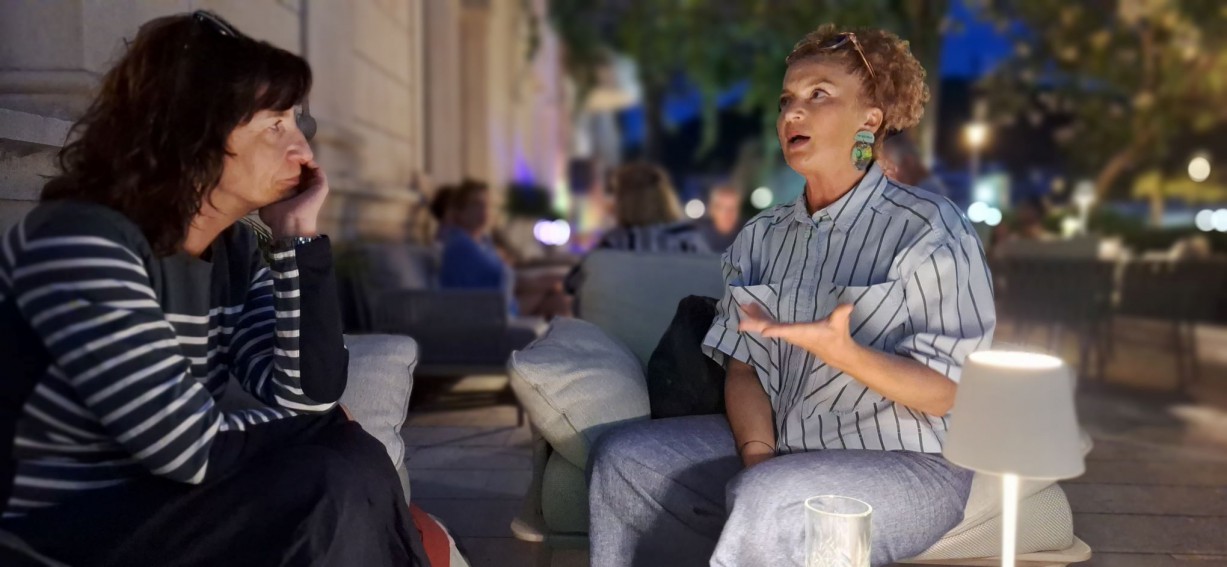
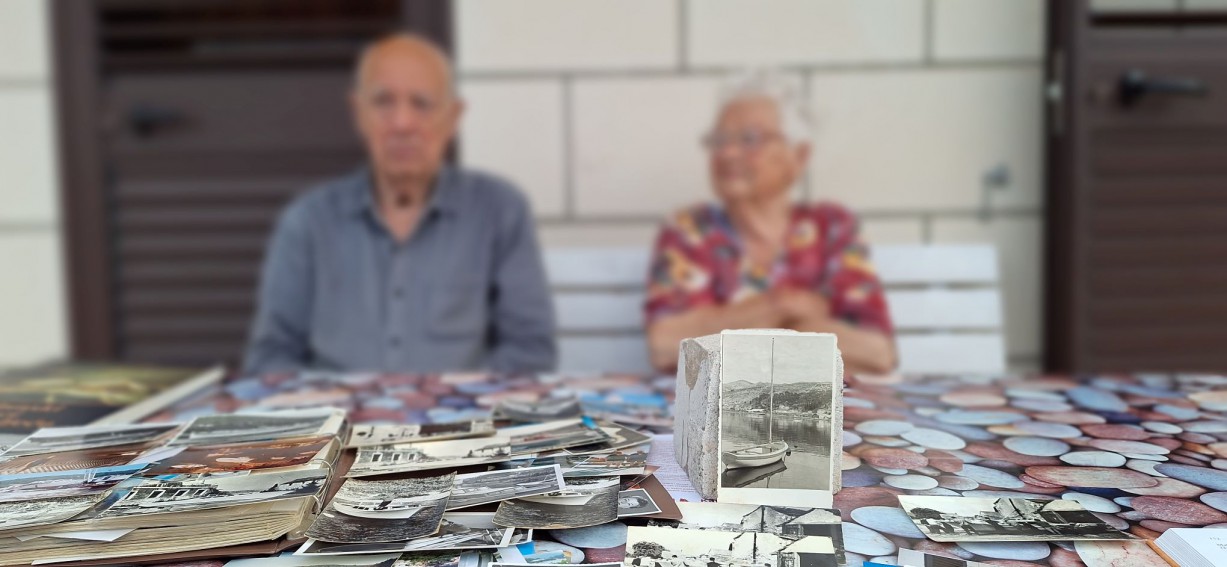
Invited by the curator and cultural anthropologist Sonja Leboš and the association KaP from Korčula (KaP - Association for Human Rights Promotion and Citizens' Activism), the artist Matea Šabić Sabljić spent 10 days on the island of Korčula. In close collaboration with the curator, the artist researched the following: Who have been the women from Korčula who built ships, sailed the seas, and investigated the maritime world, through history to the present? Besides conducting the interviews, the artist and curator studied the documents in the State Collection Archive in Žrnovo.
Here is what the artist herself says about the artistic research process:
„We know that Korčula has been famous for quality shipbuilding for centuries, hundreds of shipbuilders and other professions lived shipbuilding for eight centuries and more, but we do not have information about women who participated in shipbuilding and sailing… In historical documents we find female owners and co-owners of different ships, also big sailing ships from the 19th century, and spouses of the captains or shipowners. There are interesting personalities, however, not everything has been written down, and for sure it is not all investigated, either. So, we started to investigate: we looked for female shipbuilders, sailors, captains, sailmakers, shipowners, engineers, sail-women, rope-makers, and other women who have participated in the history of Korčula shipbuilding.
In that quest, we traveled across the island, but there are many things left to be double-checked, investigated, and contacted. We talked to people and found some very interesting female personalities and stories...
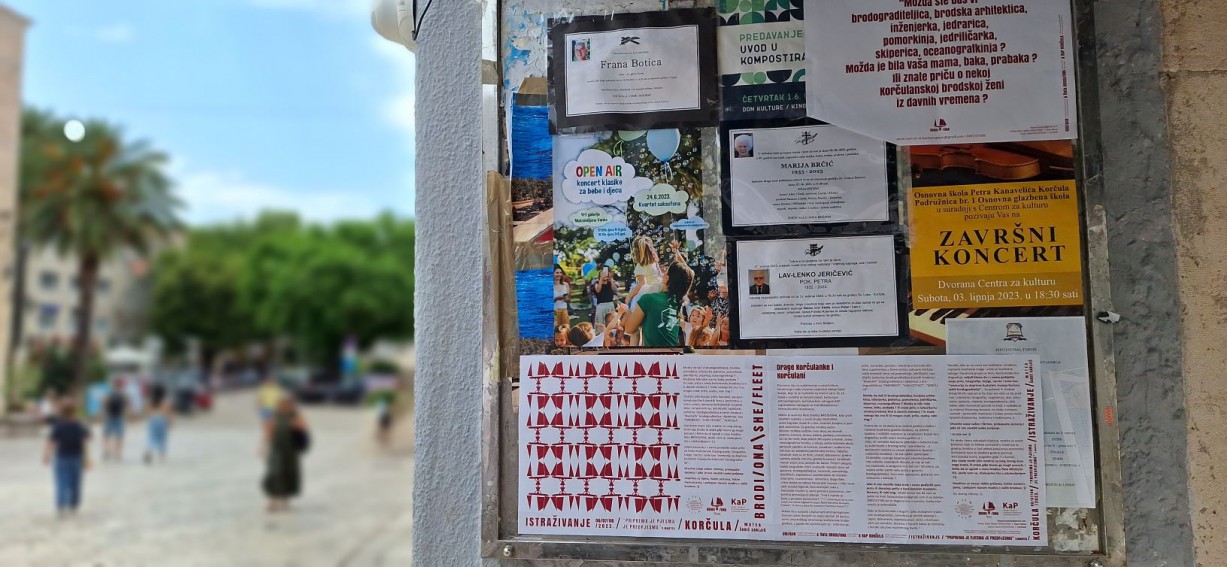
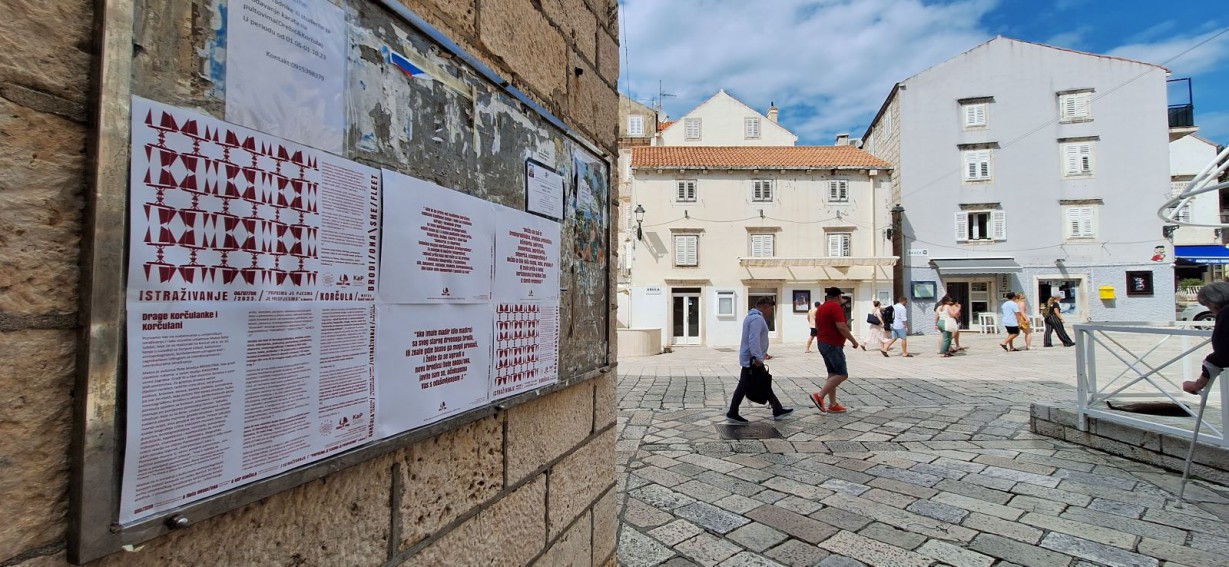
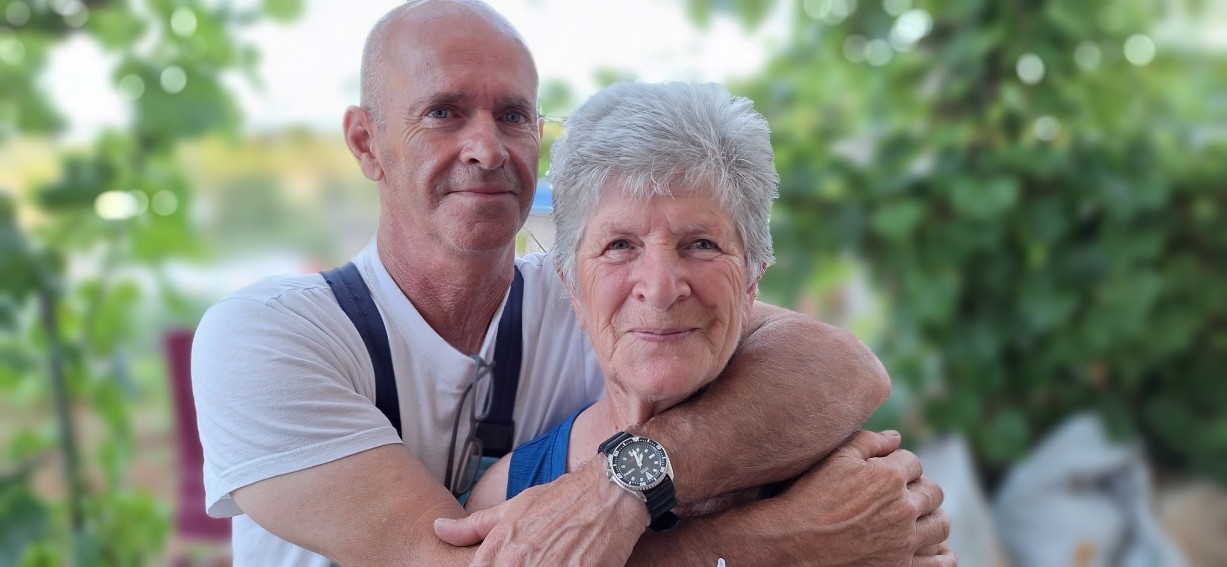
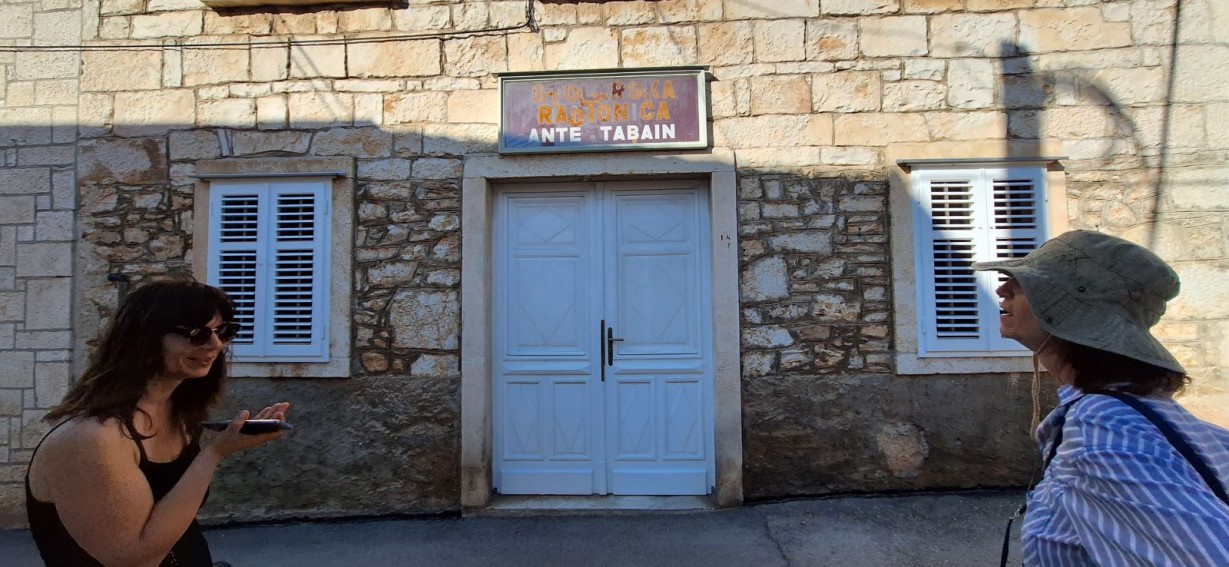
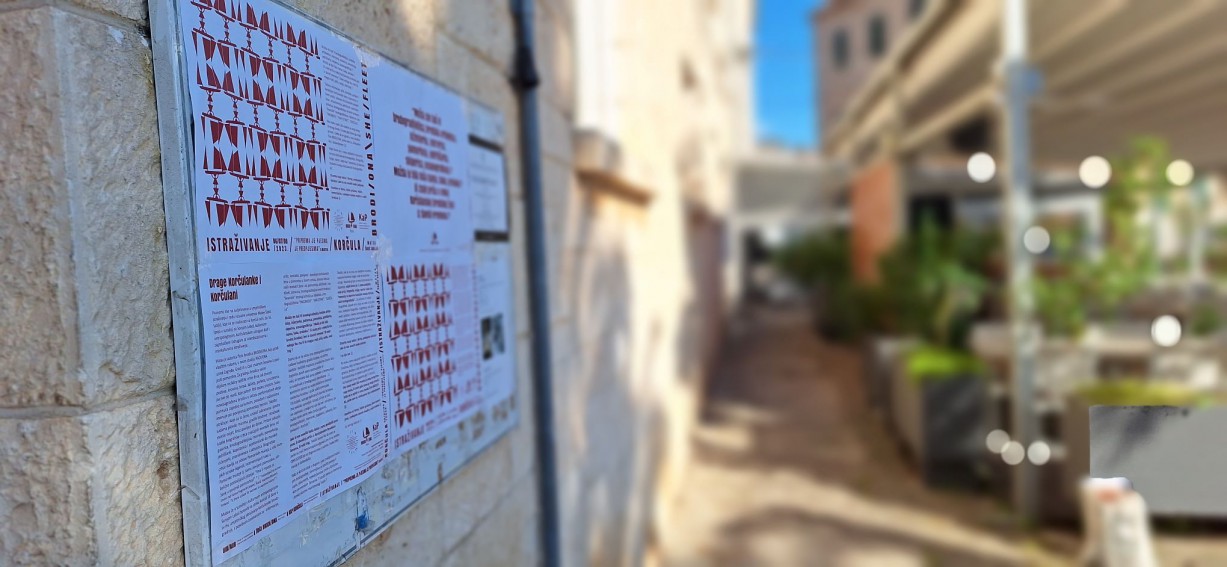
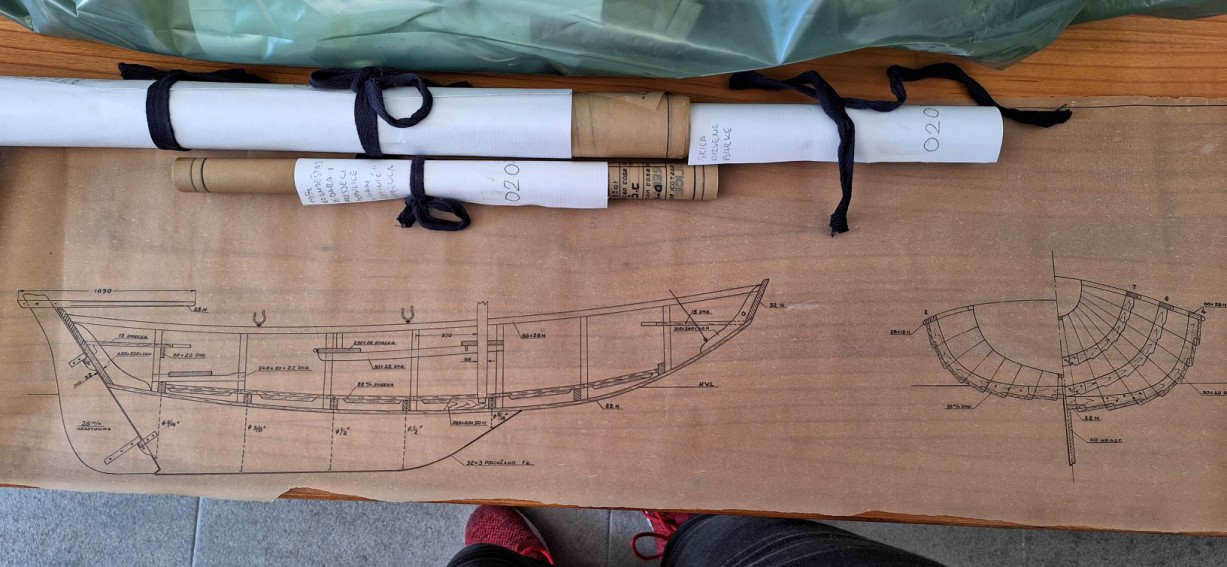
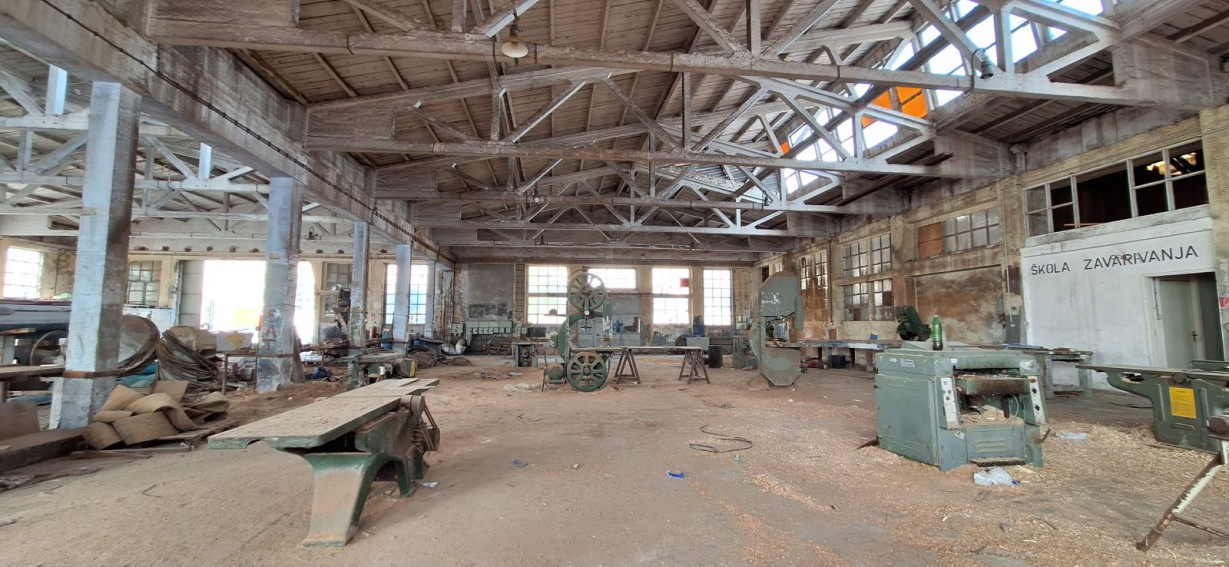
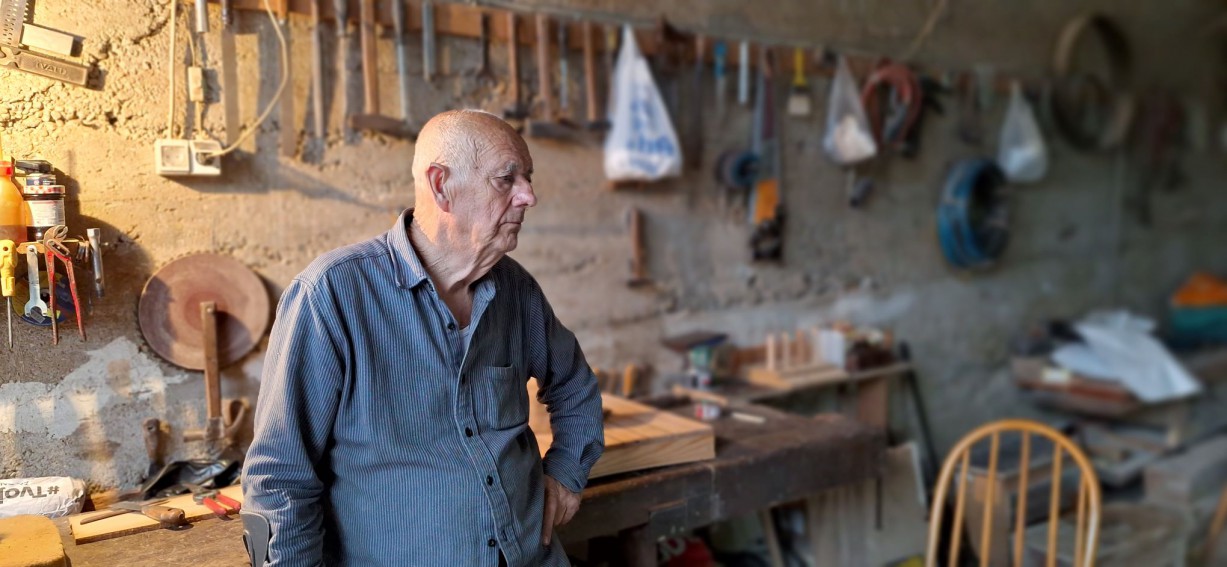
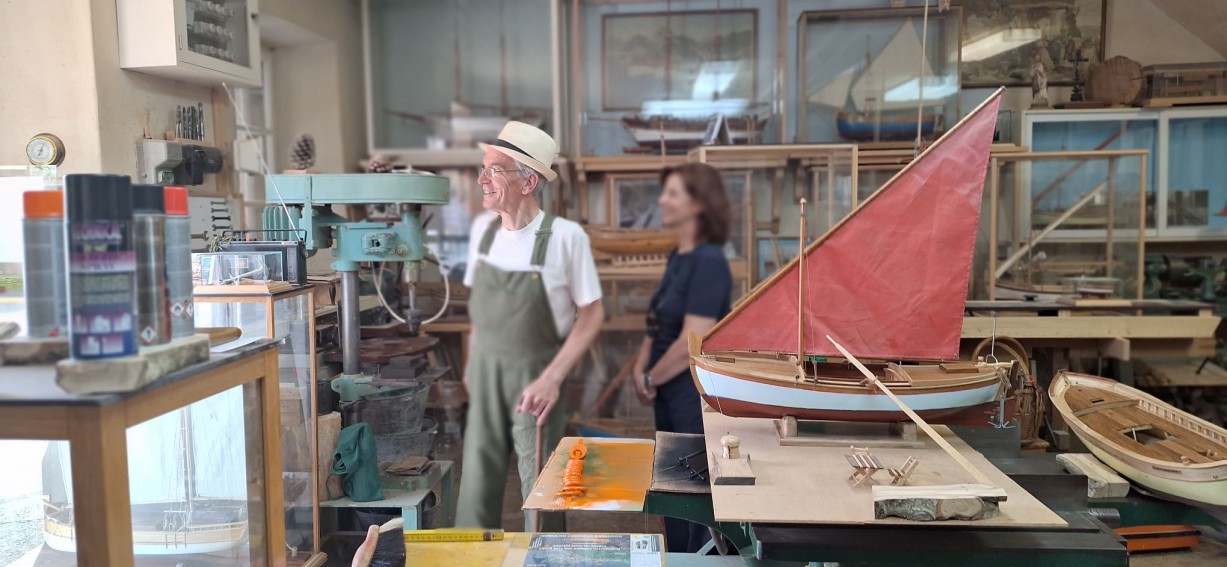
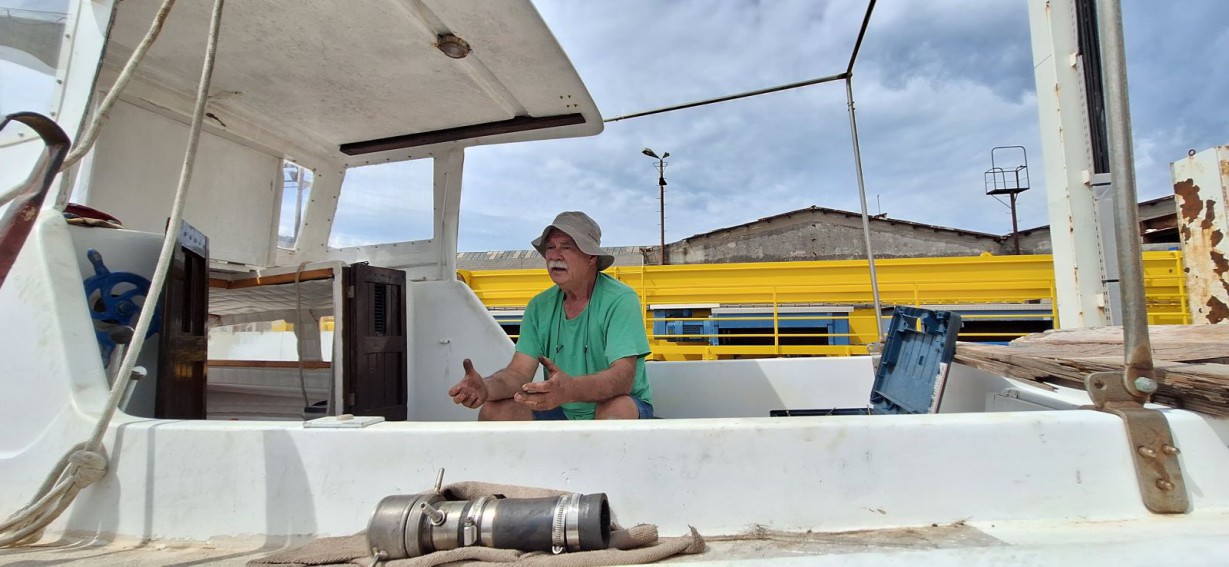
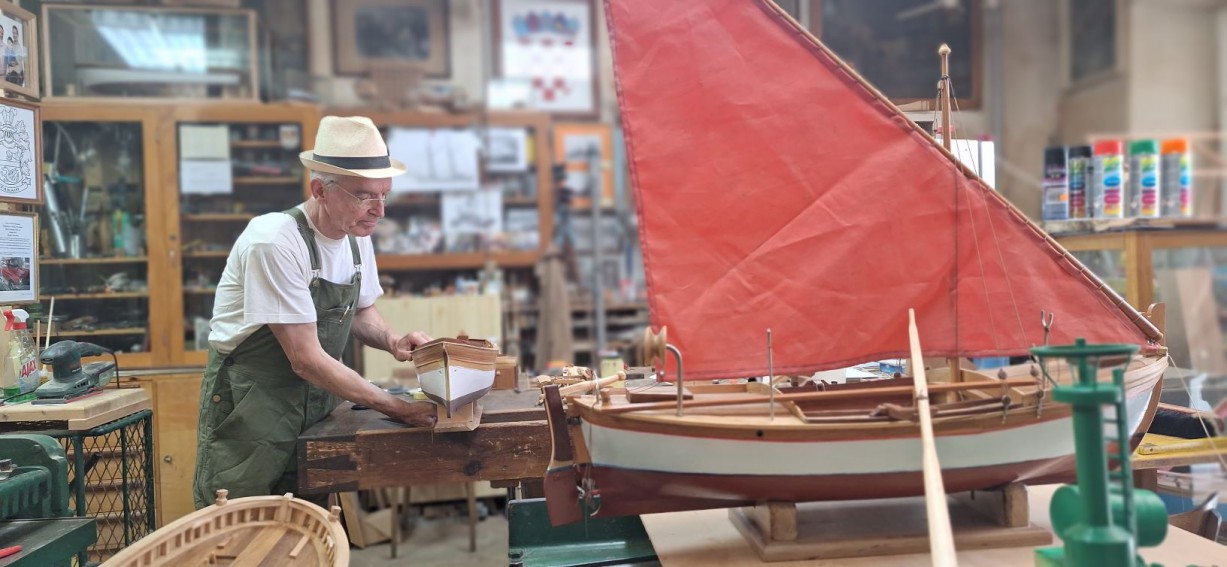
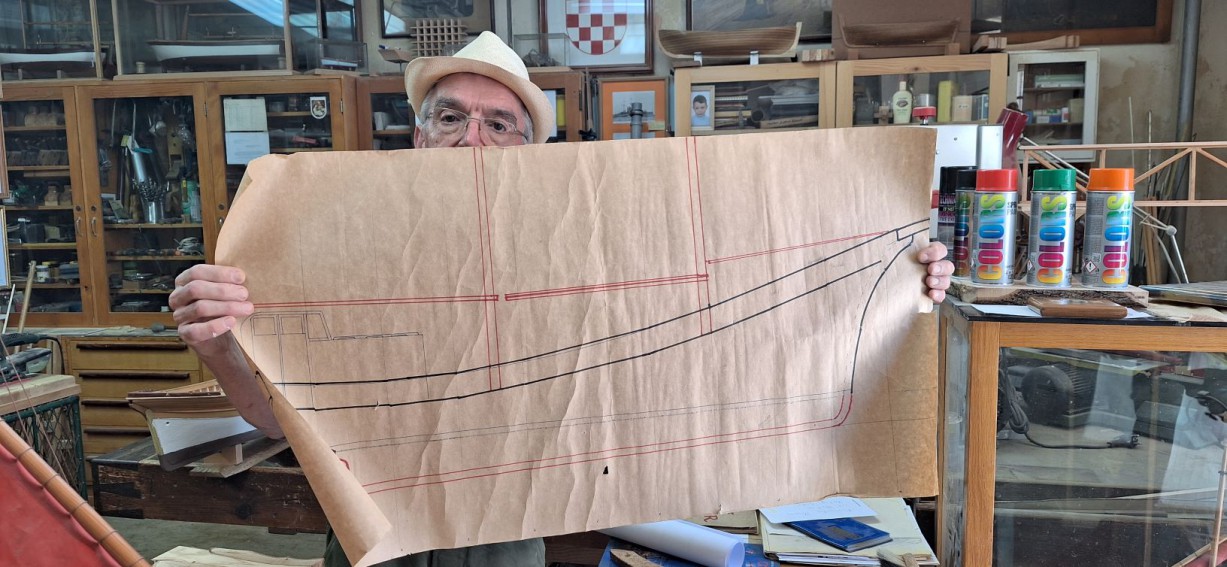
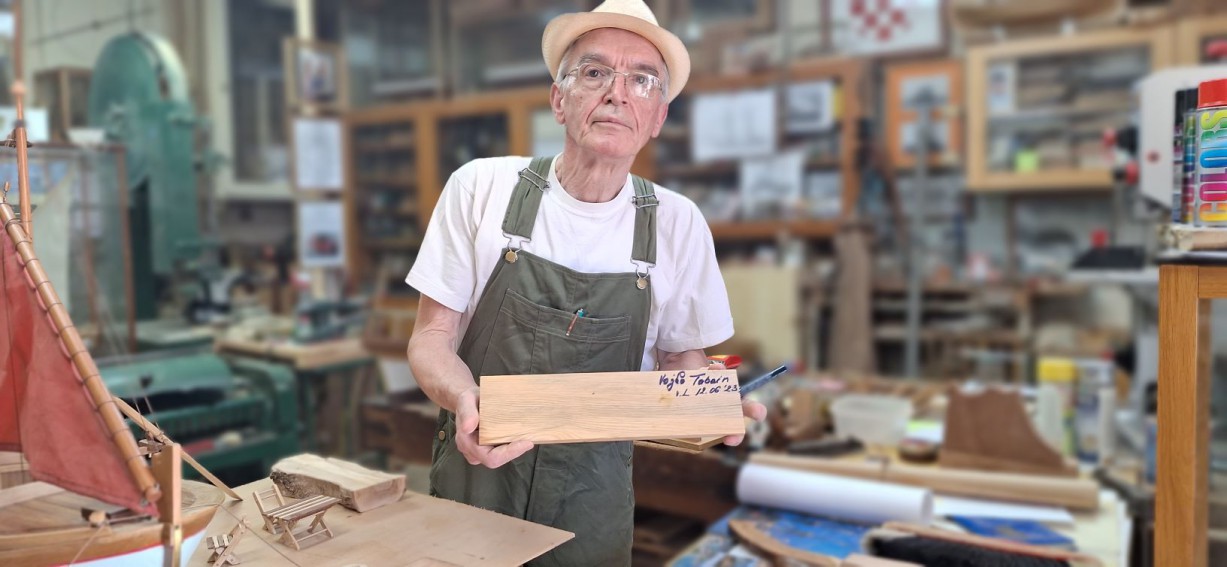
Some people contacted us because they were inspired by the radio announcement, some saw the posters all over the islands, and the stories were unearthed in the conversations. We researched in the archive and studied literature by Tea Marinović, Duško Kalođere, Roko Markovina, and others. With Duško Kalođera and Roko Markovina we conversed repetitively. In Vela Luka we met Sandra Baničević who gave us lots of valuable information and guided us to Vojko Tabain, a retired professor, who in the carpenter's workshop that belonged to his father builds ship models and keeps the blueprints of traditional wooden ships. Marin Šale, one of the last shipbuilders in wood on the island of Korčula, opened to us his home and workshop in Račišće.
When we posed the question to the citizens of Korčula if they knew or recalled some women who built ships or sailed the seas, or if they heard a story of one such a woman, at first people would be confused, saying there were no women who built ships...but, while conversing, usually they would say: oh, yes, yes, yes, there was one...
So we would come to the fact that there was or there is …
- one constructor, who worked in the controlling department, in Inkobrod, also with the CNC technology, construed ventilation and gas tanks for the ships “LOVOR” and “TAMARIS” >>> Ms. STELA ŠEGEDIN
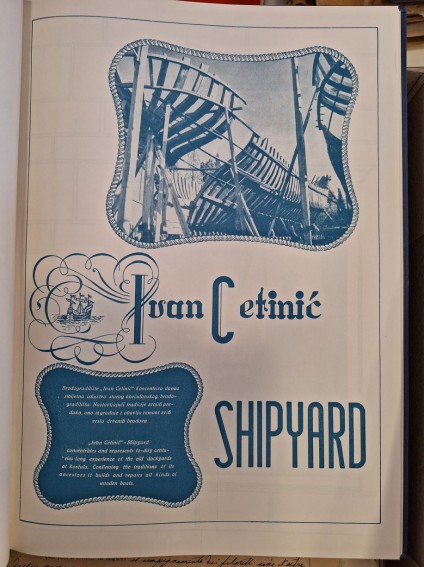
- there was one sailmaker who also produced matrasses and upholstered them in the shipyard „Ivan Cetinić“, Ms. MARA MILINA
- there was probably (it has to be double-checked) a rope-maker in the shipyard „Ivan Cetinić“– Ms. GIOVANINA FILIPPI
- we heard of one woman, Ms. DOMA RADOJKOVIĆ ŠKUNTRIN – she knitted fishing nets in Lumbarda (it has to be double-checked)
- so we came to Ms. MIRICA ŠOŠIĆ IVANČEVIĆ, a graduated shipbuilding engineer, who worked in the shipyard „LEDA“ (before that INKOBROD, and even before that „Ivan Cetinić“) for 17 years as a main technologist, quality controller, designed ship segments, and also worked in shipyards in China, Singapore, and Romania
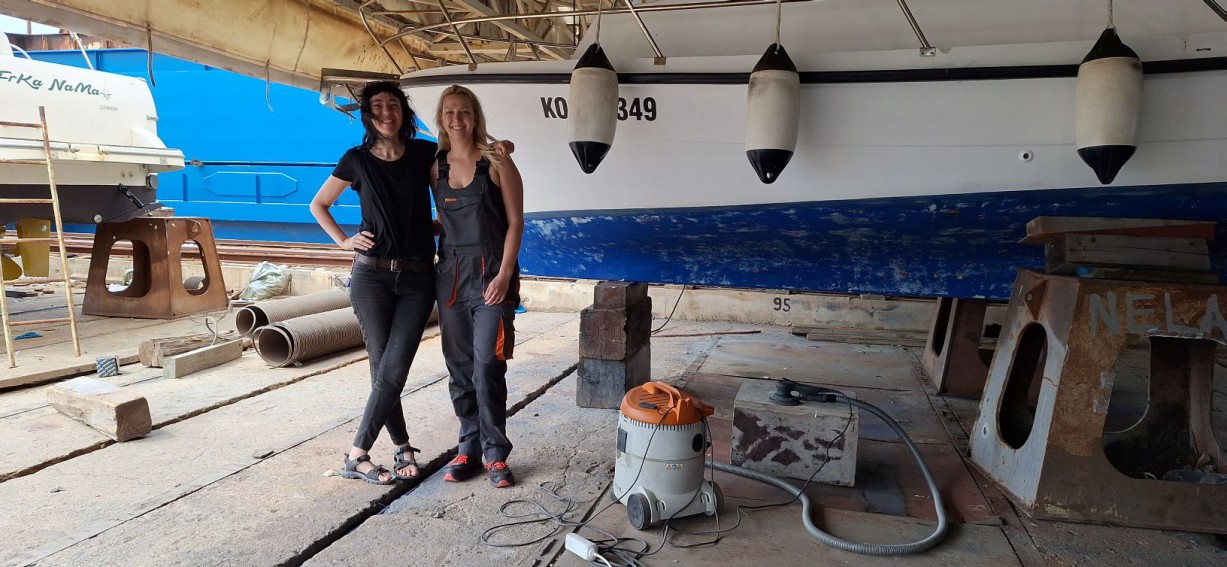
- then we discovered the existence of NELA BUJ, who works as a coop on the remounting in shipyards
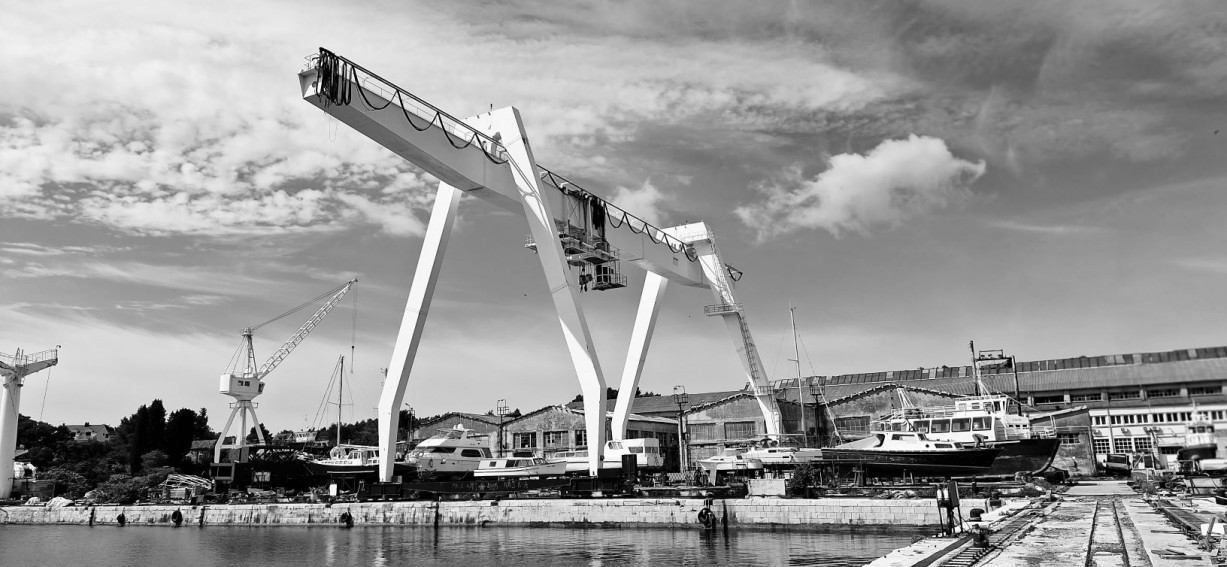
- then many people were telling us about the legendary Ms. MARIJA ALIBAŠIĆ who worked on the big crane in the shipyard Inkobrod, and that “working on the crane is not a joke" … we met her son, who showed us the ship that carries her name, and who sent us her photos
- then people recalled that there was Ms. LIPANOVIĆ TERA with the nickname JOLANDA from Lumbarda, who was a fisherwoman and a president of the fishermen of Korčula and Lastovo
- we found out that there is one oceanographer in Vela Luka, Ms. TAMARA VUČETIĆ, nicknamed ŠIMETO INGLEZO
- there was Ms. LINDA FRANULOVIĆ who lived on a boat on the Temse, and then in France found a ship which she reconstructed together with her partner and then they sailed cross-Atlantic
- that there are skippers ELIZA FABRIS and MAJA PEŠELJ
- an officer, Ms. KATINKA GULIGIĆ from Vela Luka who worked as the third officer in "Dalmatinska plovidba"
- another officer, Ms. MARIJA UNKOVIĆ
- a captain of a cruiser ship, Ms. SERENA MELANI
- that Ms. DIKA PRIZMIĆ helped her husband Dinko who built wooden ships in Vela Luka... I to nije bila jedina žena koja je pomagala svome mužu brodograditelju. She was not the only wife who helped her husband: the wife of Marin Šale also helped a lot to her husband in the workshop
This was the first general overview of the situation on Korčula island, and in September 2023 we continue with the research and interviewing...
From literature, mostly from Tea Marinović and her book "Korčula Sailing Ships" we found out that:
- KATE IVA BOTICA owned a pasara boat “Napredak”, 4.8 m, built in 1945, in Korčula
- in 1812 in Korčula was built a brigantine “BENVENUTO” for the owner ANA MINAS born DORLIGO
- in 1831 in Gruž a brigantine of 186 tones named “Barone Pasconti” was built and the owner from 1849 to 1854 was KATARINA SLAVIĆ from Korčula
- in 1852 in Korčula a brigantine “PALEMONE” of 310 tones was built, and in 1860 it changes its name to “INO”, and the co-owner was MARIJA SOPRANIĆ
- MARIJA AMADEO born GERIČIĆ with her husband Baldo Amadeo owned a ship, and also she was a shareholder of the Maritime Association “Pelig Jele” from Orebić
- ADELA BELEN was a co-owner of a boat from 1878, “CURZOLA”, 447 tones, built by Antun Foreti Ivanov in Korčula in 1867, and the ship changed its name to “RUMA” in 1872
- KATARINA DRUŠKOVIĆ – she got recognition from the Maritime government in Trieste (medals for women were not foreseen by rules of the epoch), due to her decision to change the course, around 1862. She was the spouse of captain Josip M. H. Domenico Drušković
- GIUSTINA, REGINA, FORTINATA BESSO were the co-owners of the brigantine “SASSONE”, built in Rijeka, 1830-1847.
- “MALI SIMUN”, a brig of 313 tones, built in Senj in 1863, the co-owner was a lady from Korčula KATARINA BOTTA
- MARIJA FERRI born BELIN co-owned a trabakul of 43 tones “SAN ANTONIO”, which was built in 1873 by A. VILOVIĆ
- MARIJA ŠEPIĆ, MATEJA JELINČIĆ born PEZELJ from Kostrena a boat “PROTTETO” was built in 1880
- “MRAV” (214 tones) from 1855, Korčula, from 1867 co-owned by FILOMENA, MARGARITA and MARIA KERŠA
- in 1844 in Korčula a ship “VIRTUOSA ANNA” was built, a brig schooner of 50 tones, for the owner ANASTASIJA PEROVIĆ born BUKULICA
- there is information to be checked that Ms. MAJA LIPANOVIĆ VUKOVIĆ worked as an engineer in Inkobrod
- we heard an interesting story to be further investigated, that there was a couple PERIĆ who lived on a boat, a sand-blaster, in Prigradica (near Blato) and that Ms. PERIĆ lived and sewed on the boat, in the 1940s and 1950s
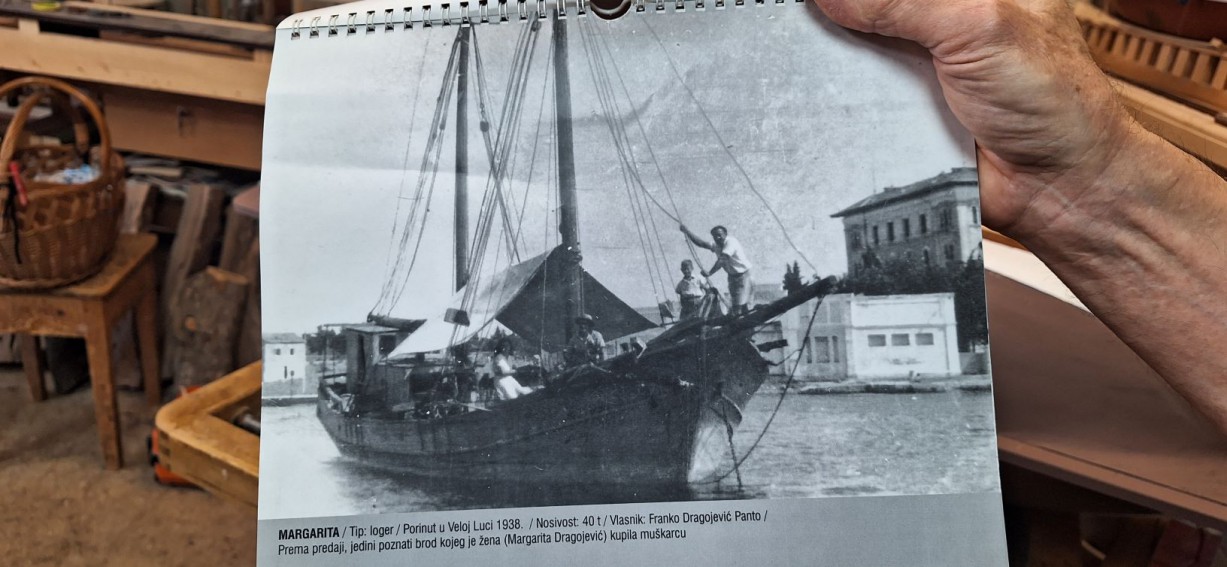
- in the workshop of Mr Tabain we saw a photo of a lugger MARGARITA of 40 toes which was launched in Vela Luka in 1938. In that calendar, it is also said that it is the only known boat that a woman bought for a man. Her name was MARGARITA DRAGOJEVIĆ.
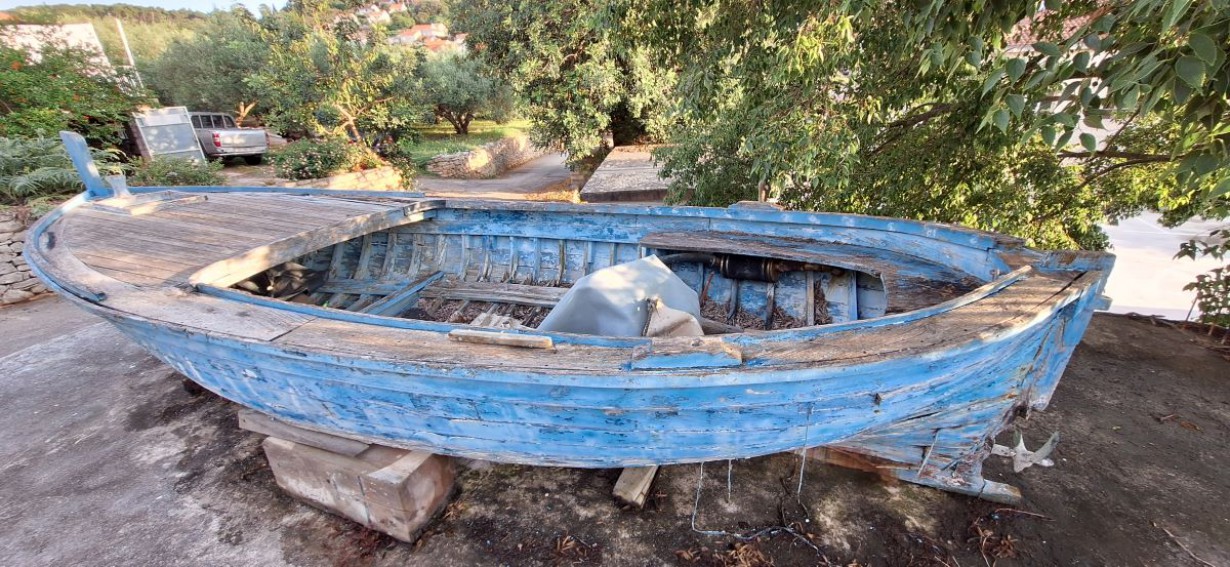
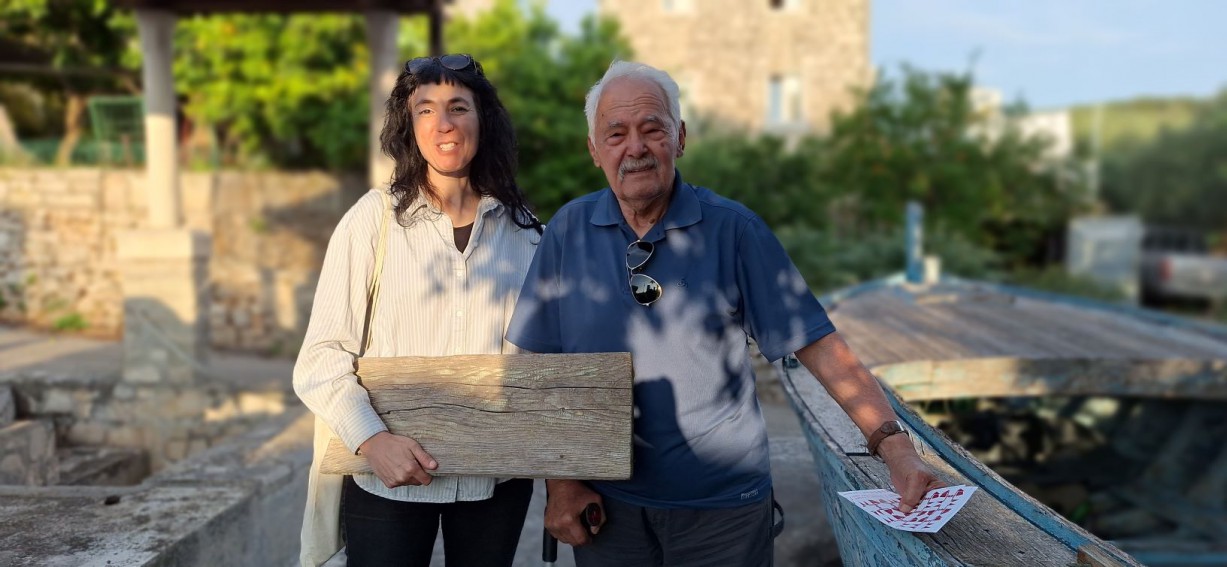
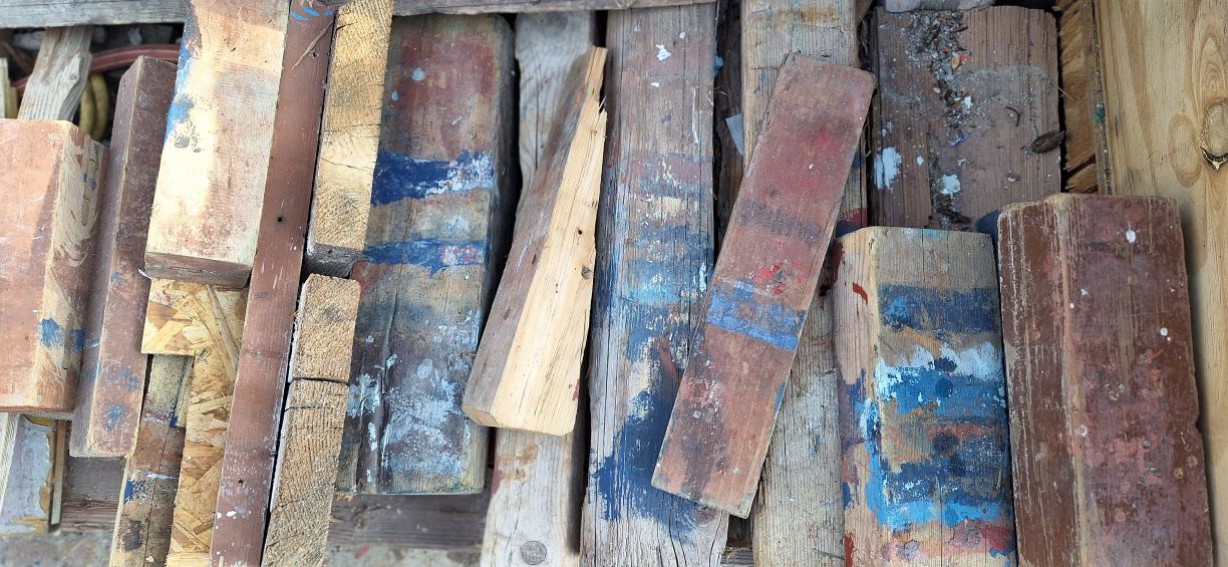
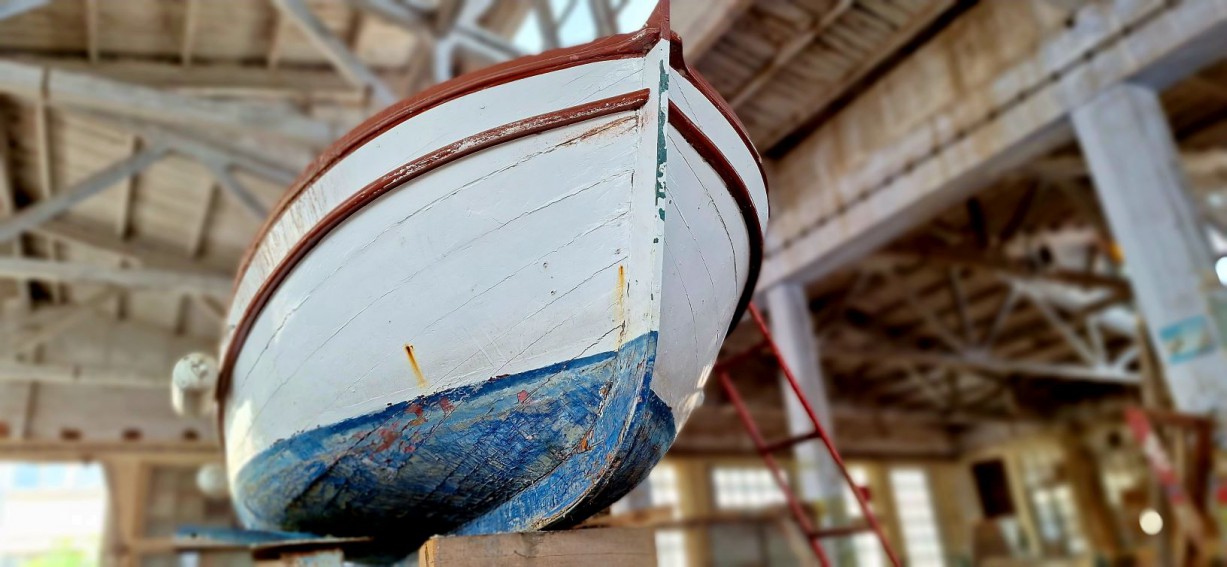
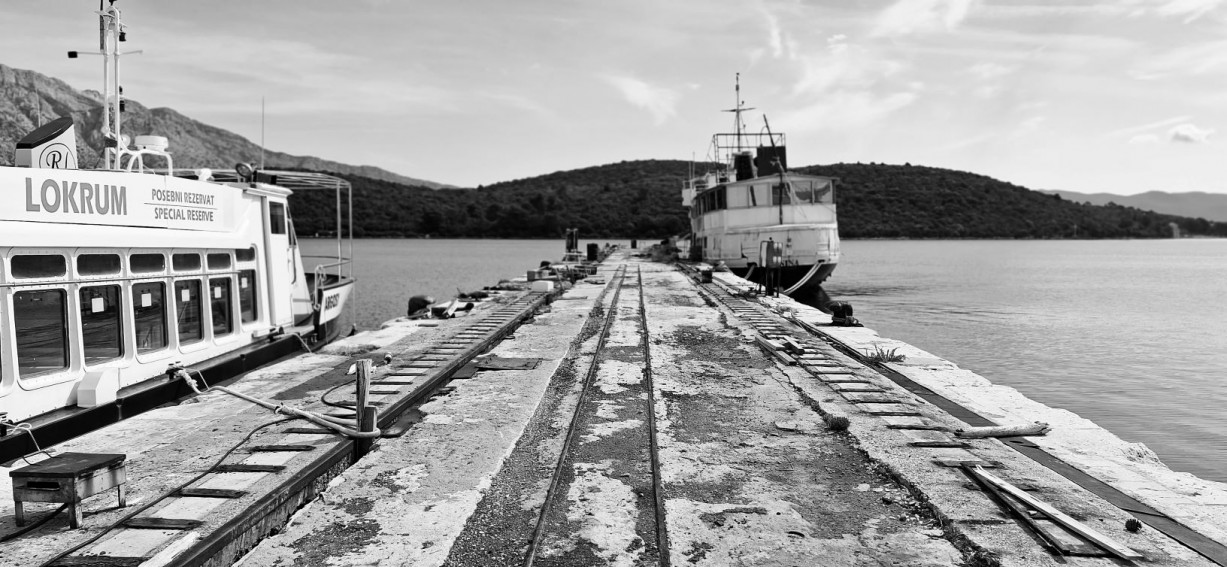
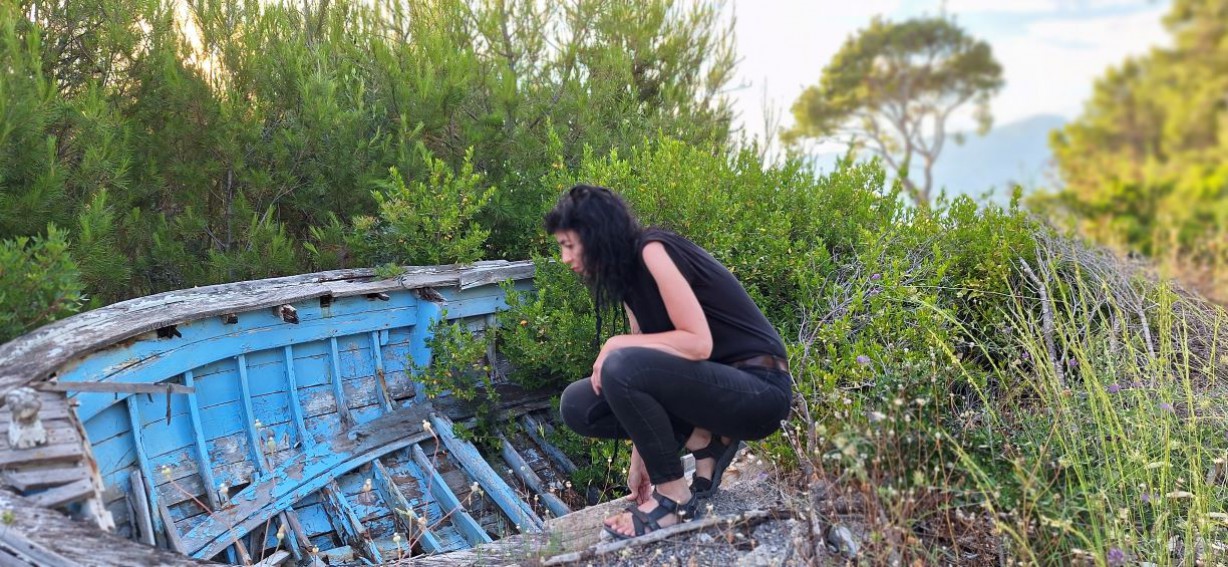
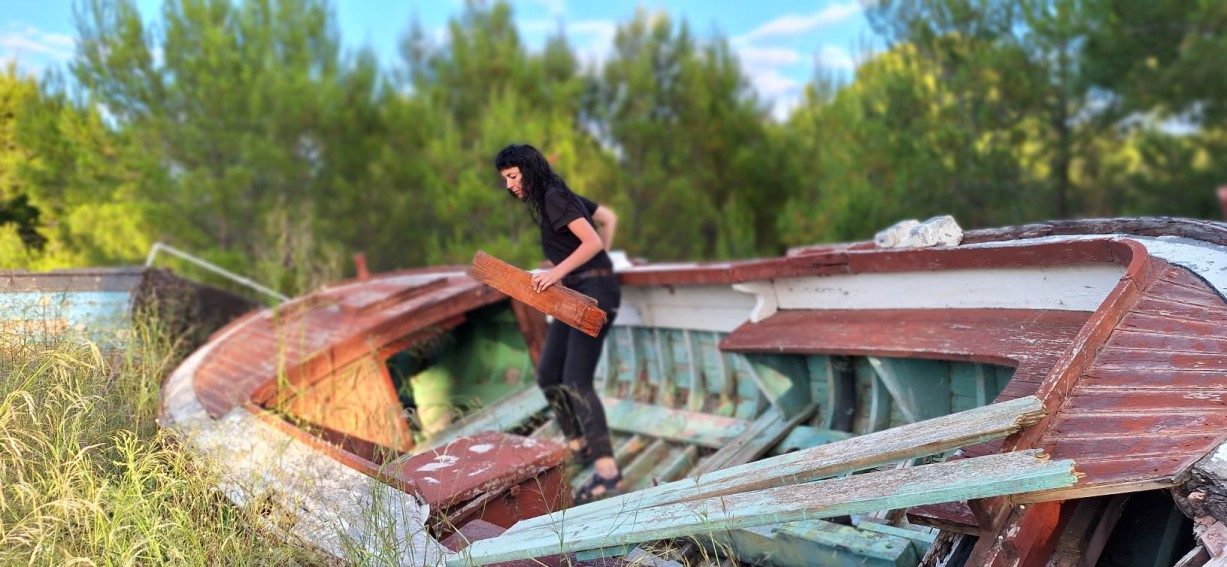
While Sonja and I investigated across the island, I also collected planks in the abandoned shipyards and ships, from which in 2024 I will make a boat in honor of one heroine from Korčula.
The research continues in September 2023, when I will also carry out an artistic action..."
Matea Šabić Sabljić, Zagreb, June 2023
About author
Matea Šabić Sabljić
Born December 7, 1982 in Split, grew in Trogir. In 2012 graduated from the Academy of Fine Arts in Zagreb, Dept for Animatiion and New Media (mentor: Nicole Hewitt). She lives and works in Zagreb, sometimes in Dubrovnik, too. As she says: "With her art, I intervene in public space, with desire to impact the city, "writing the city", use it as a medium, as a place of (random) encounters, dialogues, interaction of art and every day in opposition to the reality which is oversaturated with functional and consumers' iconography of contemporary society, sometimes camouflaging her work into the language of that reality, with a goal to make, to contest, or test the communication via a poetic gesture of media transformation and language codes, an experiment of opening towards the world which I share with others, as a "longing for an estheticized dialogue".
Usually, she creates interactive multimedia installations through which she investigates the interstitial space among languages, signs, letters, communication, time, relations between old and new media, dark and light, staying still, and being mobile. Matea follows aesthetical, poetical, ecological, interactive, socially conscious and engaged, self-sustained, and DIY principles. She investigates spaces and borders among nature, art, and goods. In her last working cycles, on a thin line between the artist and pragmatic, she builds personal utopic experiments in different media, expanding the borders of her multimedia art into poetic entrepreneurship and conceptual craft. As she says: "I fit my work and myself into the environment, ecosystem, in/from the cocoons of the cities.“